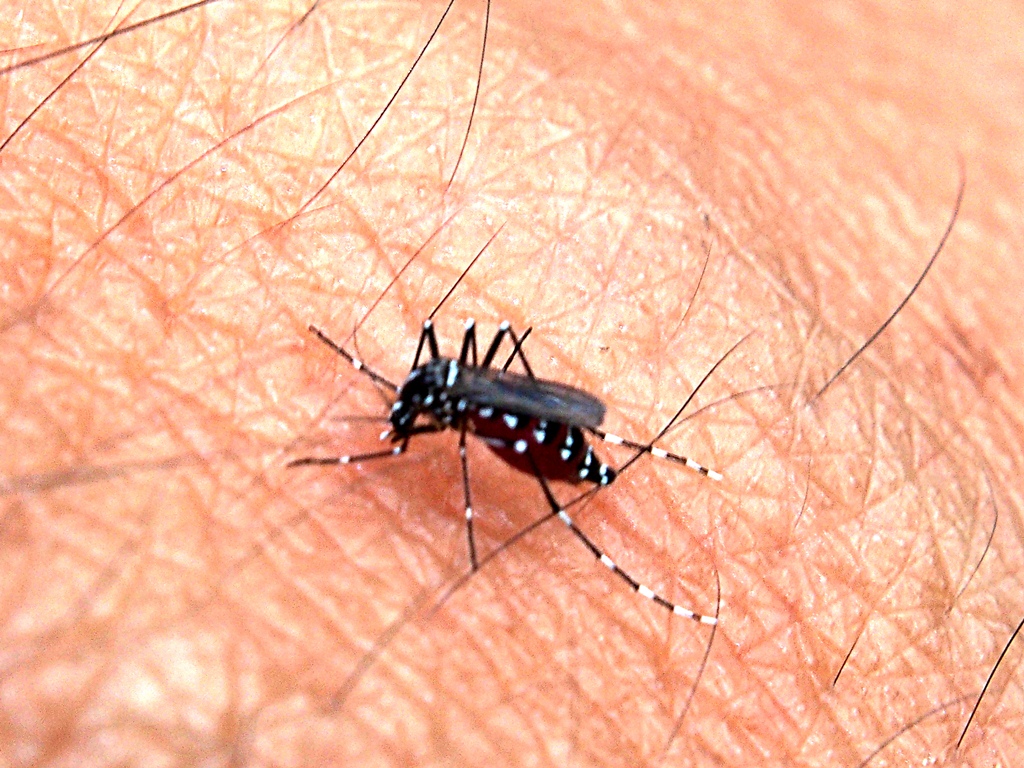
An invasive mosquito species that bites day and night and can carry dengue, Zika and chikungunya has established populations in Thousand Oaks and Westlake Village.
The California Department of Public Health (CDPH) lists Aedes aegypti as present in both communities, along with Moorpark, Simi Valley, Oak Park and eight other Ventura County cities, as of the agency's May 1 update. Statewide, the species has been detected in at least 28 counties.
The Ventura County Resource Management Agency confirmed the mosquito is now established countywide. The agency said Aedes aegypti are aggressive daytime and nighttime biters that thrive around homes and businesses and can breed in as little as a teaspoon of standing water.
That breeding ability is what makes the species so hard to control. The Ventura County Star reported Friday, Sept. 25, that the mosquito has spread rapidly across California since it was first detected in Shasta County in 2020.
Unlike native mosquitoes most active at dawn and dusk, Aedes aegypti bites throughout the day and night. The insects are small and dark with white stripes on their legs and bodies.
Disease risk
No local disease transmission from Aedes aegypti has been reported in Ventura County. But the species is capable of transmitting dengue, Zika, chikungunya and yellow fever, according to the county. California has experienced locally transmitted dengue cases in recent years, and infected travelers could introduce the virus into areas where the mosquito is present.
The mosquitoes can also spread heartworm to dogs.
Separately, West Nile Virus-positive birds were detected in Ventura and Thousand Oaks as of a July 22 county advisory. No human West Nile cases had been identified in Ventura County in 2026 as of that date.
What residents can do
Cary Svoboda, supervisor of Ventura County's vector control program, told the Los Angeles Times in February that the Aedes aegypti population in Southern California has been growing for several years.
"A dime-size amount of water can harbor mosquito breeding," said Darcy Little, manager of the Shasta Mosquito and Vector Control District, in a companion Ventura County Star report. "Every saucer dumped-out, gutter cleaned, and tire recycled means hundreds less mosquitoes for the entire neighborhood."
Ventura County health officials recommend residents:
- Dump standing water from plant saucers, buckets and outdoor containers
- Clean gutters and remove old tires
- Check children's toys, tarps and basketball hoop bases for collected water
- Use EPA-approved repellent containing DEET, picaridin, oil of lemon eucalyptus or IR3535
Aedes aegypti eggs can survive for years in a dry state, so cleaning containers matters even when they appear empty.
The county provides free mosquito-eating fish for unmaintained pools and ornamental ponds. Residents can request them at (805) 662-6582 or report mosquito breeding sources at the Mosquito Complaint Hotline: (805) 658-4310.