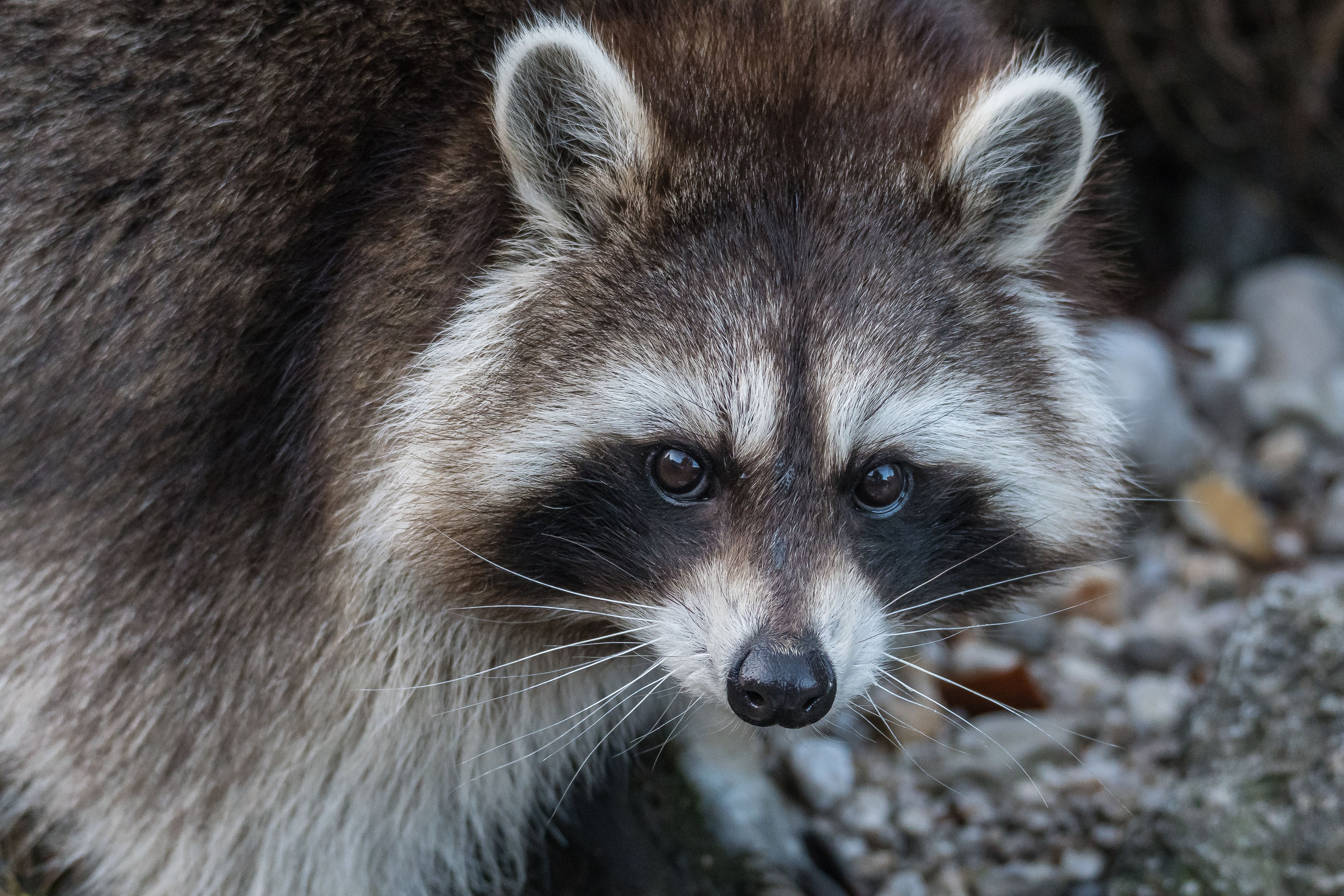
A second raccoon infected with rabies has turned up in Westlake Village's First Neighborhood, about a month after the Sept. 17 discovery of the first rabid raccoon in L.A. County since 1973.
The animal was discovered Oct. 18 in a backyard on Dunraven Court and appeared "sick and aggressive," the Los Angeles County Department of Public Health said, according to The Acorn. No residents or pets were exposed. Two people at a nearby worksite who may have had contact with the raccoon are receiving preventative care.
The Sept. 17 raccoon, found on Bainbrook Court, was described as "abnormally acting" but not aggressive. A state laboratory confirmed it carried the bat strain of the virus. Testing to determine the variant involved in the second case is pending, The Acorn reported.
Record year for rabid bats
The two raccoon cases come during a record-setting year for rabid bats in the region. In 2026, L.A. County has detected 77 rabid bats and Ventura County has found 32, according to The Acorn. One rabid bat was discovered Aug. 22 on a sidewalk outside the business center in First Neighborhood.
In the September case, four people at a worksite were potentially exposed to the raccoon and received post-exposure prophylaxis, the Simi Valley Acorn reported. A dog that encountered the raccoon was up to date on vaccinations, received a booster and was quarantined. The dog was reported to be doing well.
A public health official told the city in an email that the first infected raccoon was thought to be "likely a spillover of bat rabies."
Health officer urges caution
L.A. County Health Officer Dr. Muntu Davis said in a statement that the second rabid raccoon "is an important reminder to never touch, handle, or feed any wild animals, even when they appear healthy."
Davis urged residents to keep their distance from wildlife, report sick or unusually behaving animals to local animal control and make sure pets are current on rabies vaccinations.
Human rabies cases have been very rare in the United States since the eradication of the dog strain through vaccination, according to the health department. The last locally acquired human case in L.A. County occurred in 1949. Other variants of the rabies virus continue to circulate in wildlife and can infect any mammal.
Once symptoms appear, rabies is nearly always fatal, but timely post-exposure treatment can prevent the disease.
Residents who find a sick or dead raccoon can call the Agoura Animal Care Center at 818-991-0071. The L.A. County Veterinary Public Health Program can be reached at 213-288-7060.